NOS Mission

Nevada Outdoor School inspires exploration of the natural world, responsible stewardship of our habitat and dedication to community.
This is the spot for us to share stories, fun ideas or general musings. When you aren't in here, we hope to see you out there!


Friday, April 10, 2020

Sacagawea


Today, we are going to be taking a look at the life and accomplishments of Sacagawea. Most people recognize Sacagawea as the young Native American woman who accompanied the Lewis and Clark expedition as they made their way west, but what was her exact role?
 
Lewis and Clark at
Three Forks-Montana House of Representatives

Sacagawea was from the Shoshone Tribe and was born around 1788. Little is known about her early life, but she was kidnapped by Mandan Indians when she was around 12 years old and taken to their village, located in what is now North Dakota. When she was around 13 years old, she married a French-Canadian trapper named Toussaint Charbonneau. Sacagawea was actually his second wife. 

In 1804, when the Lewis and Clark expedition was wintered at Fort Mandan, they agreed to hire Charbonneau and Sacagawea as interpreters, as Charbonneau spoke Mandan and Sacagawea spoke Shoshone. Sacagawea also gave birth to a son, Jean Baptiste that winter, who she would carry with her throughout the entire expedition. As the expedition left Fort Mandan in the spring, Sacagawea would prove to be an invaluable member of the party. While Charbonneau did provide a role as a translator and cook for the expedition, he was generally disliked by several members of the party. In several instances, he proved to be cowardly and lazy, nearly capsizing a boat that held valuable items of the expedition, as well as his unwillingness to perform guard duties and perform manual labor. 

However, Sacagawea greatly helped the expedition on numerous occasions. When meeting the Shoshone Tribe, she recognized the chief, who happened to be her own brother. The expedition was able to trade for horses and the Shoshone provided guides to cross the Rocky Mountains. While Sacagawea is mostly recognized as a guide for the expedition, her role was more of an interpreter. However, she greatly benefited the expedition in several ways. 

The presence of a Native American woman and her baby helped give the expedition a non-threatening presence to the various tribes that were encountered on their journey west. Helping the expedition establish positive relations with these various tribes was perhaps her greatest benefit. Sacagawea was around 16 years old when she joined the expedition, and to carry an infant the entire way (and back) is an amazing feat. She also recognized several landmarks that helped the expedition choose optimal routes on their way to the Pacific Ocean. 

After the expedition, William Clark provided an education at the St. Louis Academy for Sacagawea’s son, Jean Baptiste, who she had carried throughout the journey (Clark would later adopt Jean Baptiste). Little is known about her life after the expedition. Some accounts state that Sacagawea died from a fever at 25 years old. Some Native American accounts believe that she lived to be in her 90s. 


Sources:
1.     "Sacagawea". Lewis and Clark. Public Broadcasting Service
2.    Lewis, Meriwether; Clark, William; et al. (1805). "August 17, 1805". The Journals of the Lewis and Clark Expedition. University of Nebraska–Lincoln.
3.    Hebard, Grace Raymond (1933). Sacajawea: Guide and Interpreter of Lewis and Clark (2012 ed.). Courier Corporation. 

Tuesday, April 7, 2020

The Outside Guide brought to you by Nevada Outdoor School. – March 2020


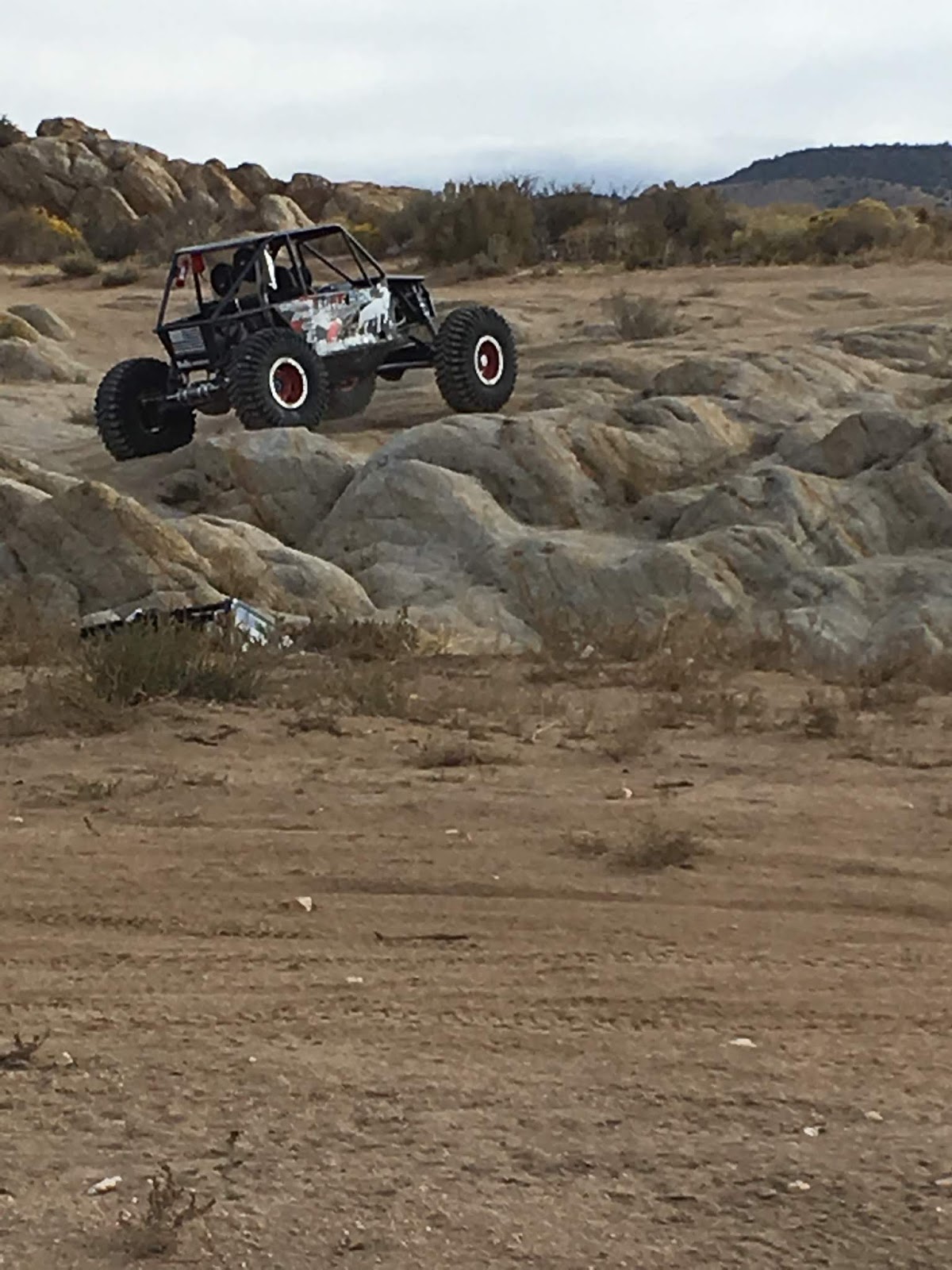
Bureau of Land Management, U.S. Forest Service and National Park Service guidance, indicates that opportunities to continue dispersed recreation may remain during the current reality we are all facing as a result of COVID-19. It is possible to abide by social distancing and other recommended guidelines while getting outdoors and engaging in all sorts of outdoor recreation – including OHV recreation. But, ultimately, it is up to the individual to decide if getting outdoors is the right thing to do.
Nevada Outdoor School (NOS) always believes in safe and responsible recreation – it is the at the core of NOS’s ethics; however, safety is even more important than ever if you choose to ride your off highway vehicle (OHV) in the near future. Many hospitals are at or near capacity. This may not only make it difficult for you to get the care you need should you get injured, you may also turn the attention of hospital staff away from focusing on addressing the needs of other patients.
Please carefully consider the potential implications should you hit the trails. Make decisions that make sense for you and your family and that abide by recommendations from the Centers for Disease Control and other federal, state, and local agencies and governments.
Some general guidelines, should you choose to engage in OHV recreation during this situation:
·         Contact the riding area in advance – they may be closed.
·         Visit cdc.gov for information on the latest recommendations and guidelines – follow them!
o    Wash your hands often with soap and water for at least 20 seconds especially after you have been in a public place, or after blowing your nose, coughing, or sneezing.
o    If soap and water are not readily available, use a hand sanitizer that contains at least 60% alcohol. Cover all surfaces of your hands and rub them together until they feel dry.
o    Avoid touching your eyes, nose, and mouth with unwashed hands.
o    Avoid close contact, especially with people who are ill.
o    Put distance between yourself and other people if COVID-19 is spreading in your community. This is especially important for people who are at higher risk of getting very sick.


·         As ALWAYS – wear all appropriate safety gear. For ATVs, ROVs, and dirt bikes this includes: a DOT-compliant helmet, goggles, long sleeves, long pants, over-the-ankle boots, and gloves.
·         Ride or drive on trails that do not challenge your skill level – now is not the time for technical obstacles.
·         Ride or drive at significantly reduced speeds. Enjoy the scenery. Stop for lunch and take in the fresh air and sounds that come with being outdoors.
·         Abide by social distancing recommendations. Ride in pairs or small groups. Keep in mind that others you come across on the trail may stay farther away than normal and may not want to engage in conversation.
·         Experience nearby trails. This is not the time to load up the truck and try a riding area that you’ve always wanted to try but is 1,000 miles away. Comply with recommendations to stay near to home.
·         If you are at all uncomfortable for any reason about getting out on the trail – DON’T GO!
·         If you feel sick – DON’T GO!
Outdoor recreation is an important part of life – studies show it makes us happier and healthier. However, we are experiencing a unique reality right now. NOS encourages you to make good decisions, comply with mandates and guidelines from relevant authorities, and to stay safe.

Friday, April 3, 2020

My name is Crystal Rodriguez and I am a second-year member serving at Nevada Outdoor School.


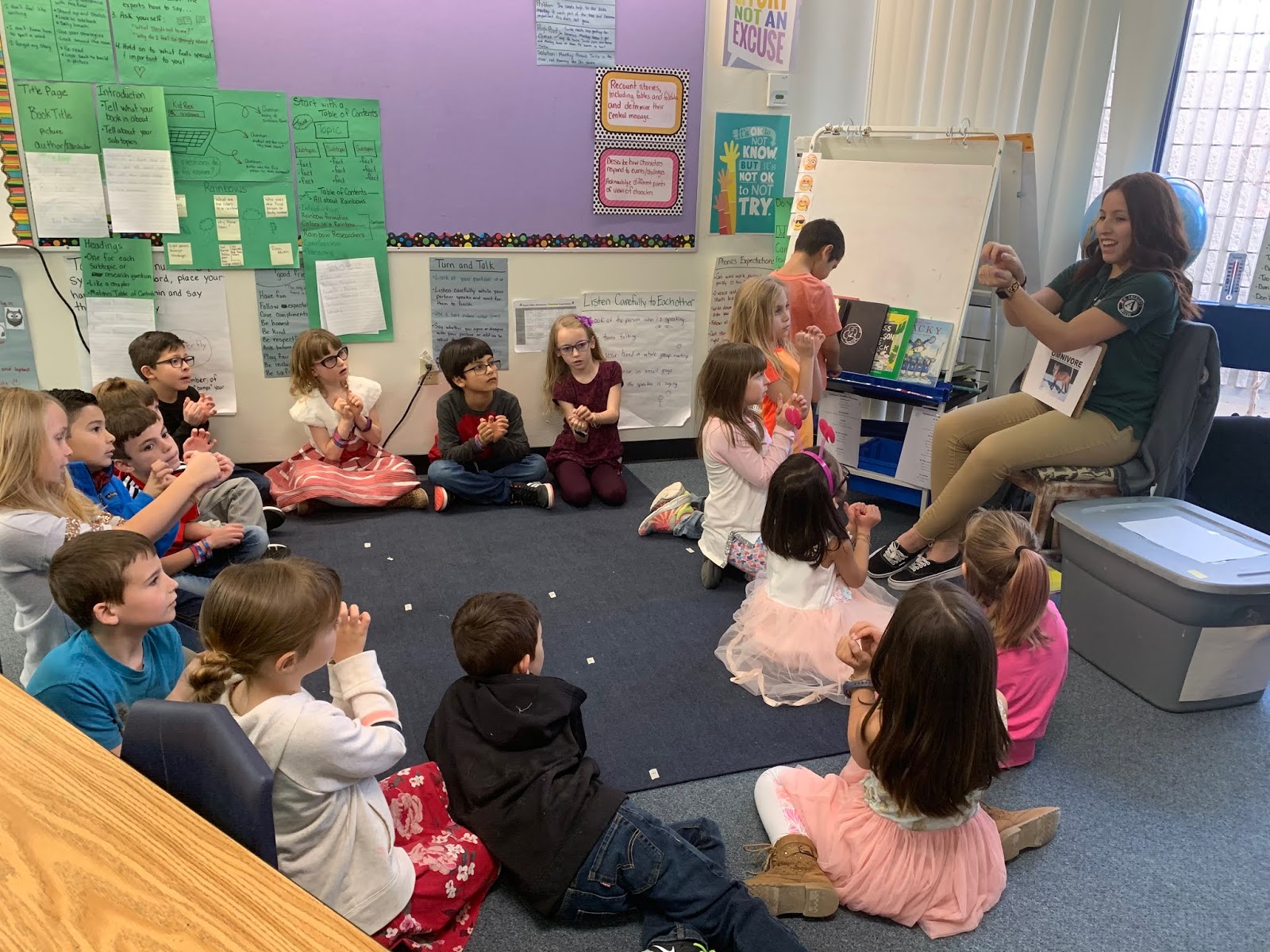
Serving another year with NOS, I have been given the role of lead naturalist which comes with more responsibilities. I make sure to take more initiative in and out of the office, I help new naturalist members learn the ropes, and I apply new skills I have gained from the past year into this year. I have enjoyed passing on some tips and tricks to our newer naturalist as well as learning things from her as well. That is my favorite part of the job, regardless of how long everyone has been with NOS, we still learn new things by doing research, going out to different events and trainings, or just learning from each other in the office. 

I feel like I am gaining so much more than just service hours, I’m developing new skills every day even though I have been serving for almost two years. I have been enjoying my second year as much as my first year, if not more. 
Since I have been with NOS, I have been able to get over my fear of public speaking, become more of a leader and utilize quick problem-solving techniques. With all the recent events, I have been a little disappointed with having less time to be out teaching, but I am so grateful for the time I had with every single kid. It is also the perfect opportunity to try something new this year and provide an alternative to teaching in the classroom. 

 
This has been such an amazing and impactful experience and although I am sad to let it go, I am excited about what comes next. 
After I complete my service in the fall, I plan to join the AirForce and take some classes so that after my service, I can go to dental school where I plan to become a Pediatric Dentist.


-Crystal Rodriguez